
Improve gut health with one avocado a day
It says: Sarah Middleton, January 4, 2021
Original: https://www.naturalhealth365.com/avocado-gut-health-3682.html
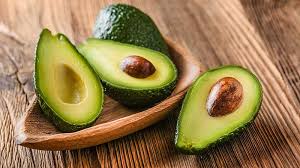 Avocado, which is also called "alligator pear", is probably one of the most popular additions to gablec or brunch spreads, Mexican dishes or smoothies, thanks to its rich taste and creamy texture. However, despite its widespread popularity, many people still seem to doubt whether avocados are really good for health. Not only is this fruit healthy, but researchers have also discovered that avocados are an excellent food that improves our gut health. Given that a strong immune system depends on good digestive function...this news is more important than ever!
Eating one avocado a day will improve the diversity of your gut microbiome, a new study has found
Researchers from the University of Illinois Department of Nutritional Sciences conducted a randomized controlled trial involving 163 adult men and women. Study participants were obese or overweight (and were stratified by age, sex, and fasting glucose level). They got a special one a meal per day that contained the same amount of calories for both the experimental and control groups - except that the experimental group's meal contained avocado. Men and women in the experimental group completed the experiment with a 12-week consumption of 175 grams (men) or 140 g (women) of avocado per day. Apart from this special meal, the participants were told to maintain their usual diet. After periodically collecting blood, urine and fecal samples, as well as other information related to the meals, the researchers found that after 12 weeks, people who ate avocados had:
- Significantly greater diversity and concentration of certain 'friendly' intestinal bacteria, including Faecalibacterium, Lachnospira and Alistipes bacteria;
- More fat excreted in the stool, along with lower amounts of bile acids, which the researchers interpreted as less energy being absorbed from the food they ate (which could explain why avocados help people lose weight).
The researchers concluded that "these nutrient-dense foods influence digestive physiology as well as the composition and metabolic functions of the gut microbiota."
In addition to gut health, here are 4 other known health benefits of avocados (as well as buying tips):
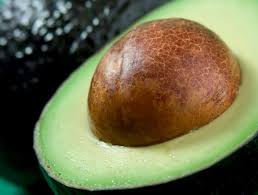 Need some inspiration to add avocado to your grocery list this week? Here are four known health benefits besides improved gut health:
- One medium avocado contains a whopping 12 grams of fiber, almost half of the recommended daily amount (fiber is good for your gut and also controls blood sugar levels and helps you feel full).
- Avocados are also rich in other healthy nutrients, including heart-healthy monounsaturated and polyunsaturated fatty acids, vitamin E, vitamin C, folate, magnesium, copper, and potassium.
- Avocados are associated with improved cholesterol and triglyceride levels (along with reduced body fat).
- High-fat avocados appear to help the body more efficiently absorb fat-soluble nutrients from other foods, according to a 2005 study published in Journal of Nutrition.
 When possible, buy and use whole avocados, not avocado oil – or at least be very judicious about the brands you trust. A recent study published in a peer-reviewed journal Food Control found that 82 percent of domestic and imported avocado oils tested were rancid or contained other oils (including soybean oil), even in some products labeled "extra virgin" or "pure." The researchers coded the oils tested so that we don't know which brands failed that test. However, they advise us how to recognize quality avocado oil:
- Although the taste may vary depending on the region, fresh avocado oil should taste a little like mushrooms - like butter, and smell slightly like cut grass;
- Virgin avocado oil should be green; refined avocado oil is light yellow and more like transparent;
- Store the oil in a cool, dark place to preserve its freshness and protect it from light and heat (it is ideal to buy it in a dark glass container), because even high-quality oil eventually goes rancid;
- Rancid avocado oil smells stale, reminiscent of children's play dough.
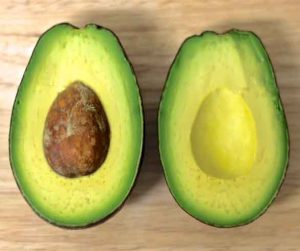
As for buying a ripe fruit, know that your avocado is ready to eat when it is slightly soft under your fingers and yields under gentle pressure. If the avocado is too hard, it's probably not ripe enough, and if it's too mushy, it's probably overripe. And, of course, buy organic – whenever possible.