
Hugs and health

The English proverb: an apple a day keeps the doctor away can be translated into a hug a day keeps the doctor away. Researchers from the School of Social Sciences at Carnegie Mellon University studied the effects of hugs as a form of social support that protects people from stress. They found that more hugs and better social support protect people who receive them not only from stress, but also from infectious diseases, meaning they get sick less often.


Read "

CANDIDIASIS

How to recognize that you have candidiasis? – Fatigue, constipation, depression, bad breath, excessive desire to eat, chronic infections, gas, headaches, insomnia, menstrual problems. In a vaginal infection, there is severe itching, along with the secretion of an odorless, white, cheesy liquid. How does it occur? It is an infection caused by the harmless fungus Candida albicans, which is found in the intestines, as well as in the mouth, throat and genital tract. When synthetic antibiotics from the pharmacy are taken in large quantities, the normal bacteria are destroyed

Read "

HEART ARRHYTHMIA

How to recognize cardiac arrhythmia? Symptoms do not always develop, but if they do, the onset is usually sudden and palpitations (irregular heartbeats) occur. Other symptoms include: mild headache, which can sometimes lead to fainting, shortness of breath, chest pain. Possible complications are stroke and heart failure. How does cardiac arrhythmia occur? - It is an abnormal heart function. With more common palpitations, the heart occasionally skips a beat or two, but this is self-correcting.

Read "

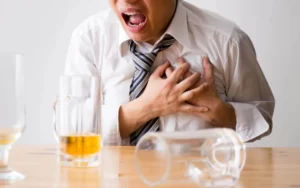
Cardiologists: And that one glass of wine is more harmful than you think

We all know that excessive alcohol consumption is bad for health, but what about regular 'recreational' drinking of alcohol in small quantities? Cardiologists fear that too many people still believe in the myth that a small glass of wine or beer does not harm, but even slightly benefits health. Daily drinking of alcohol, even in very small quantities, increases the risk of developing atrial fibrillation, a heart rhythm disorder, which is , after extrasystole the most common cardiac arrhythmia. It is a condition that in

Read "

ANEMIA - sickle cell

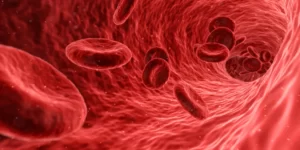
How to recognize it? Symptoms vary widely, even among members of the same family. In children and adults, the symptoms can be the same as in all types of anemia: fatigue, feeling faint, pale skin, shortness of breath after slight exertion. There are also "sickle crises", which are explained below. What are the causes? The amount of hemoglobin in the red blood cells (RBC) decreases, causing their disorder and becoming sickle-shaped, depriving the body of oxygen. People with this condition are more prone

Read "

ANEMIA – pernicious

How to recognize it? Weakness, yellowish skin color, burning in the extremities and gastrointestinal disturbances causing mouth ulcers. Possible partial loss of coordination of fingers, feet and legs, damage to certain nerves, diarrhea and loss of appetite. What are the causes? The cause is vitamin B12 deficiency. This is a very dangerous type of anemia, in which the bone marrow cannot produce mature blood cells. Other causes include: unhealthy food, malabsorption problems, Crohn's disease, gastric surgery and drugs that prevent

Read "

ANEMIA – Megaloblastic

How to recognize it? The initial symptoms are fatigue, feeling faint, pale skin, shortness of breath after little effort. They can get worse after a certain time. What are the causes? This type of anemia occurs when large, abnormal blood cells (megaloblasts) begin to form in the bone marrow, and the number of normal red blood cells decreases. Then the blood gradually becomes less and less able to carry oxygen around the body. The cause is the lack of two important vitamins of the B group: folic acid (B9) and B12, which

Read "

ANEMIA (due to iron deficiency)

HOW TO RECOGNIZE ANEMIA Rapid fatigue, dizziness, headache, rapid pulse, shortness of breath on exertion, pale skin, nails and lips, sensitivity to cold, weak appetite and craving for earth, ice and starch. Other symptoms include: white spots on the tongue, pale tissue under the nails and pale color of the inside of the lower eyelid (when it is lowered). WHAT ARE THE CAUSES There are several types of anemia (ordinary, pernicious, due to lack of folic acid, copper...). This text will deal only with ordinary anemia, which is

Read "

How to alleviate ALCOHOL addiction?

How to recognize? The consequences of alcohol addiction are; depression, memory loss, hangovers, legal problems, ulcers, emotional problems, flushing, forgetfulness, heart palpitations, indigestion, insomnia, urination problems, hepatitis, high blood pressure, heavy drug use, and numbness in the fingers. What are the causes? Alcohol is absorbed directly through the walls of the stomach, without digestion. Through the bloodstream, it then reaches every cell in the body, from which it extracts water, which weakens or destroys the cells. It is particularly harmful to the liver, brain and

Read "

COPPER – deficiency

What are the symptoms? Diarrhea, slow growth, inadequate utilization of iron and protein. In babies: irregular development of bones, nerves and lungs. What are the causes? Unlike Wilson's disease, in which there is an excess of copper, in this case it is a copper deficiency. Not enough red blood cells are produced, white blood cells cannot fight infections, iron is not absorbed, anemia occurs due to lack of copper and problems in mental and physical development. It can

Read "

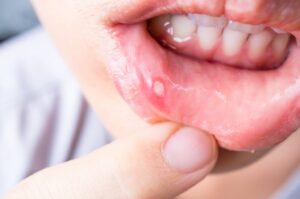
APHTA

What are Canker sores? Small oval or round white ulcers that can be very painful. They appear on the tongue, gums, on the inside and outside of the lips, and inside the cheeks. At first it looks like red hot spots that become like ulcers and are surrounded by a yellow line. After that, a yellowish mixture of fluids, bacteria and white blood cells appears. It can often burn or sting for 1-3 days, before canker sores appear. Canker sores are different from

Read "

ATHLETIC FOOT

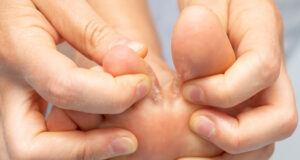
What is athlete's foot? Blisters and/or cracked skin on the feet, especially between the toes. There is itching, burning and (in more severe cases) pus and sores. As they develop, the blisters and/or cracked skin soften, turn white and peel. In more severe cases, pain is present. The condition usually worsens when the weather is warmer. Why does it arise? Athlete's foot is caused by one or more types of parasitic fungi. Fungal skin infections are more difficult to neutralize than bacterial ones. This kind of problem can

Read "

Detoxification programs

Newsletter login

For special offers, discounts, promotions and novelties subscribe to the newsletter.
If you want additional information, advice or guidance in Phytotherapy, kinesitherapy, dietotherapy or just want to improve your health status feel free to call your phone numbers+385 92 352 7589 or +385 99 645 0504
or leave your mobile number and we will contact you as soon as possible.

* must complete