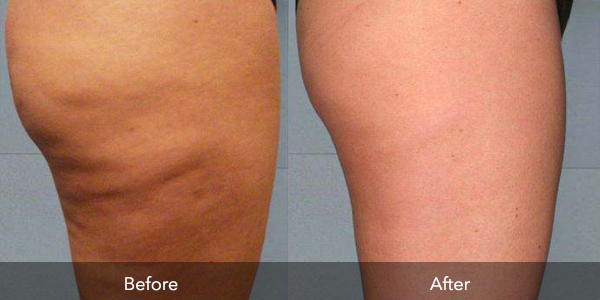
What is cellulite? Cellulite is a subcutaneous fat tissue deposit with characteristic depressions and nodules ("orange peel"); a condition in which fats and toxins accumulate under the skin, causing a weakening of the connective tissue that connects the skin to the muscles and the creation of a characteristic puckering of the upper layer of the skin. This condition is particularly characteristic of some parts [...]

How does snoring occur? The tissue in the upper part of the respiratory tract, in the back of the throat, relaxes during sleep, and when a person breathes in, snoring occurs. It mainly occurs due to sleeping on the back. The mouth opens and the "song" begins:) The sound is created by the vibration of the soft palate, which is located in the last upper part of the oral cavity. Men snore more often (71%) […]

This year, 'Random Acts of Kindness Day' falls on a Monday, but the idea behind it is trying to get people to be kind to others every day, CNN writes. In fact, it wants to get people to be 'random acts of kindness activists'. Here's why: Spreading kindness not only helps others feel better, it also […]

History of Ascorbic Acid In the mid-1700s, Royal Navy surgeon James Lind conducted controlled dietary trials and found that citrus fruits could cure people with scurvy. However, it was not until the early 1900s that experimental scurvy was first produced in guinea pigs through dietary restriction and was shown to be prevented by feeding the animals fresh fruits and vegetables. In the early 1930s, vitamin C […]
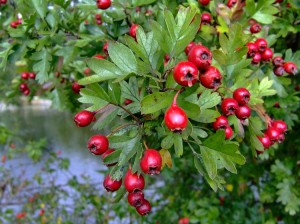
Crataegus sp., commonly known as hawthorn, is a large genus of thorny shrubs and trees belonging to the Rosaceae family, comprising approximately 280 species, native to temperate zones in Europe, East Asia and North America. Hawthorn has been used around the world for centuries as a food and as a folk medicine. Hawthorn is one of the recognized medicinal plants in [...]
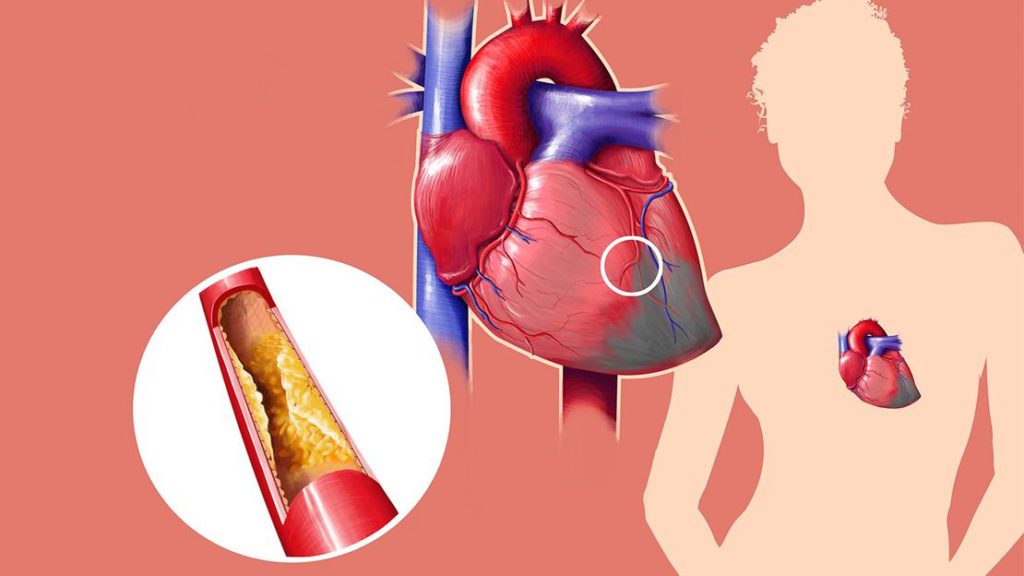
Cardiovascular diseases (CVD) are diseases that affect the heart or blood vessels (veins and arteries). They can be caused by a combination of behavioral, socioeconomic and environmental risk factors, including improper diet (daily consumption of meat, fish, eggs, dairy products that are a source of cholesterol), tobacco use, physical inactivity, harmful use of alcohol, air pollution, high blood pressure, high cholesterol, diabetes, obesity, kidney disease [...]

Is it better to take vitamin D in tablets or to spend time in nature in the fresh air and sunbathe if necessary. What do you think? Below you can read in detail why natural vitamin D, which we get from being in the sun and fresh air, is important. Learn how to sunbathe properly. Did you know how […]

What is the body's greatest need? What do you think? This article was translated from the National Institute of Environmental Health Sciences, which has been studying for 50 years how polluted air affects our environment and human health. The Institute publishes many studies on how air pollution affects health and the population groups that are most affected. Below you can read [...]

Research shows that people living in big cities have a higher chance of vitamin D deficiency caused by air pollution. Over the years, science proves what we already intuitively know - spending time in nature is good for our health. However, research also shows that it is important where we are in nature. For example, a walk in the park located […]
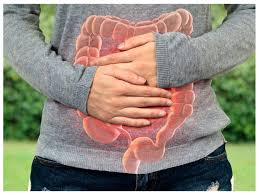
Dr. Schulze says that: "Almost every client who came to me had constipation (one or no stools every day). Many of them had no idea and thought that a couple of bowel movements a week was something abnormal but acceptable. Although they were not currently constipated, due to what they had eaten in the past or their lack of exercise, they were […]
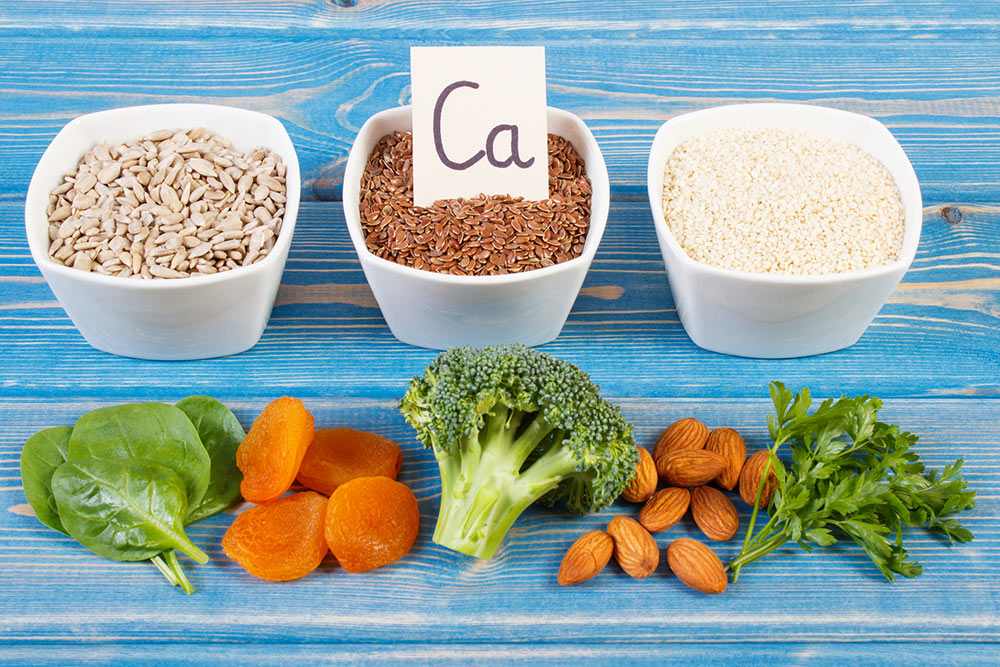
Calcium is the most abundant mineral in the human body, the salts of which form a substance that affects the strength of bones and teeth. The body of an adult human contains 1 kg to 1.5 kg of calcium, most of which is found in the bones (99%) and only a small part (1%) in the blood and other parts of the body. In addition to its effect on the skeleton, calcium has […]
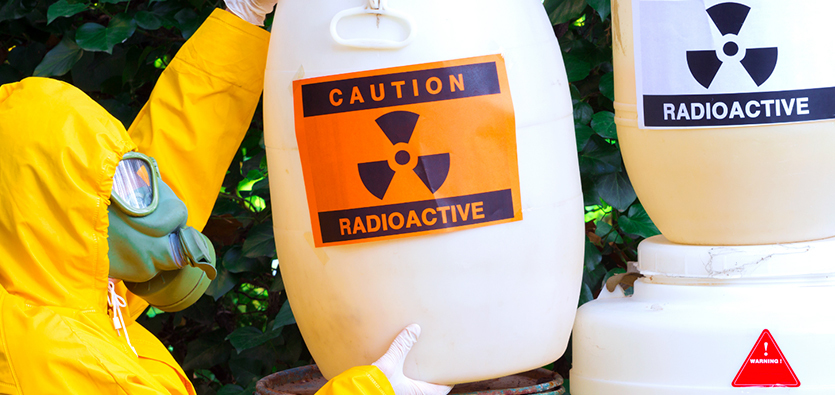
How to recognize that you have been irradiated? – Dizziness, mental fatigue, eye fatigue, severe headache, cataracts and nausea. Where can we find harmful radiation? – X-ray imaging in medicine and dentistry, building materials containing radon or uranium. Radiation also comes from the explosion of an atomic bomb and a terrorist "dirty bomb". When radiation comes into contact with a human cell, the cell […]
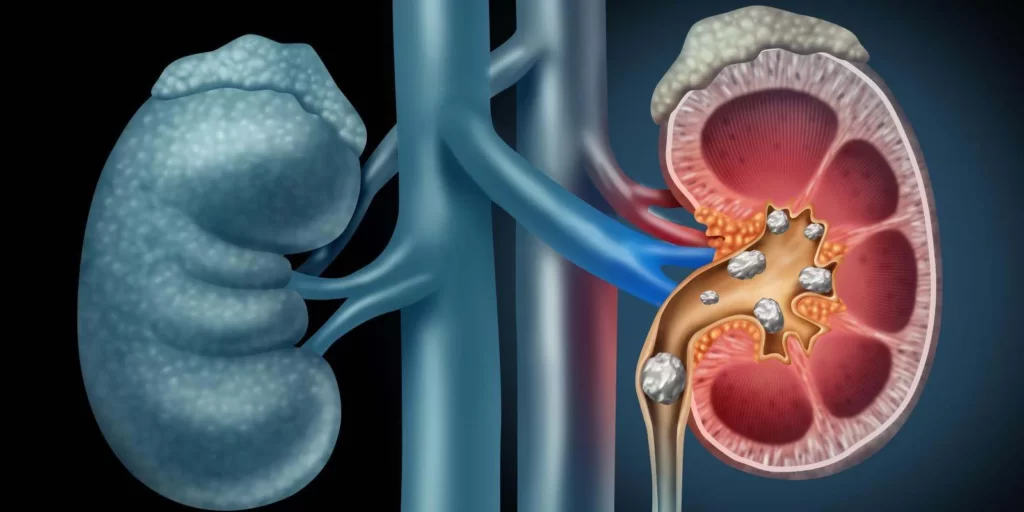
How to recognize a kidney stone? At the beginning, the injury is present, a dull pain that extends from the upper back to the lower stomach, and is generally stronger with movement. There is bleeding and renal spasms (severe pain in the kidneys) when stones enter the urinary canals. These sharp pains can last for hours or days. It comes to […]

Marijuana (cannabis) is the most widespread illegal drug in America and England. Scientific research has revealed the following facts about this unusual plant: THC (tetrahydrocannabinol) from marijuana enters the lungs, and reaches the brain via the bloodstream. In winter, the brain cannot break down THC at the same rate as nicotine, so a part of THC will remain in the body for […]

How to recognize? Creamy white spots on the tongue and mucous membrane of the mouth. If the spots are touched, bleeding may occur. How is it created? This is a fungal infection and most often occurs in people with weakened immunity. Natural helps Nutrition. Eat fruits, vegetables, whole grains, nuts and legumes. During this infection, it is best to eat only raw [...]

English saying: one apple a day and we don't need a doctor, can be changed to one hug a day and we don't need a doctor. Researchers from the Faculty of Social Sciences at Carnegie Mellon University studied the effect of hugs as a kind of social support, which protects people from stress. In doing so, they discovered that more hugs and better social support [...]
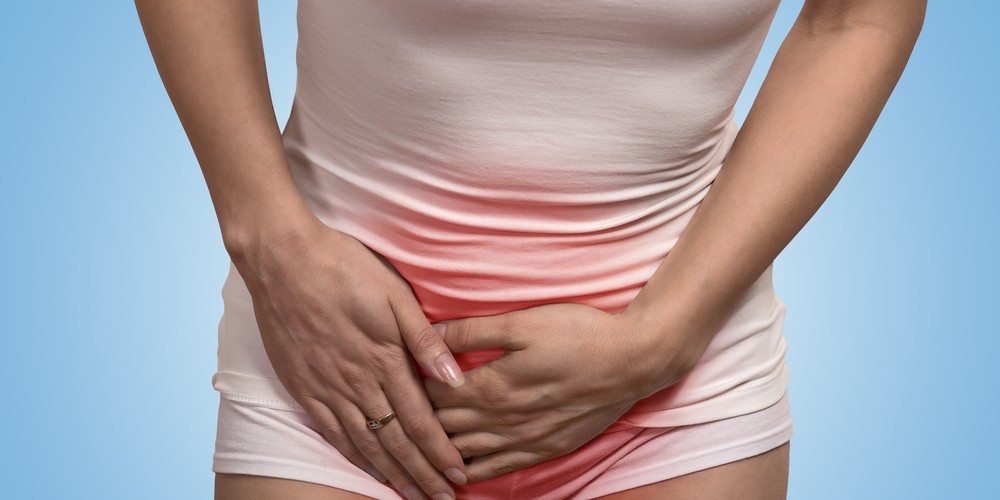
How to recognize that you have candidiasis? – Fatigue, constipation, depression, bad breath, excessive desire to eat, chronic infections, gas, headaches, insomnia, problems with menstruation. In the case of a vaginal infection, there is severe itching, with the discharge of an odorless, white, cheesy liquid. How is it created? It is an infection caused by the harmless fungus Candida albicans, which is found in the intestines, as well as [...]

How to recognize cardiac arrhythmia? Symptoms do not always develop, but if they do, the onset is usually sudden and palpitations (irregular heartbeats) occur. Other symptoms include: mild headache, which can sometimes lead to fainting, shortness of breath, chest pain. Possible complications are stroke and heart failure. How does cardiac arrhythmia occur? [...]

We all know that excessive alcohol consumption is bad for health, but what about regular 'recreational' drinking of alcohol in small quantities? Cardiologists fear that too many people still believe in the myth that one small glass of wine or beer does not harm, but even slightly benefits health. Daily drinking of alcohol, even in very small amounts [...]
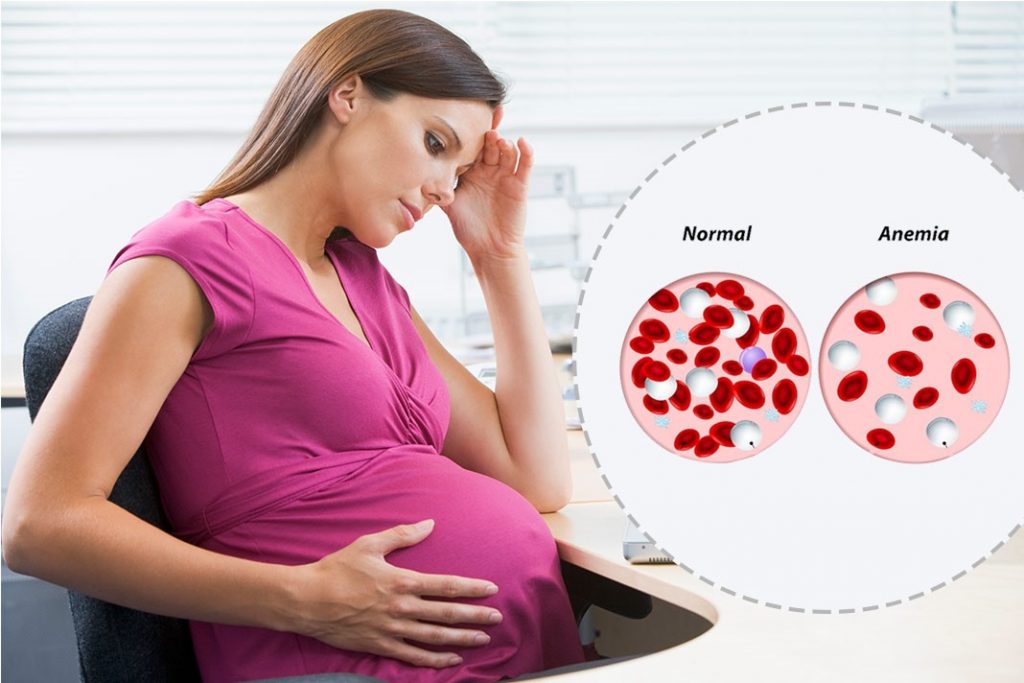
How to recognize it? Symptoms vary widely, even among members of the same family. In children and adults, the symptoms can be the same as in all types of anemia: fatigue, feeling faint, pale skin, shortness of breath after slight exertion. There are also "sickle crises", which are explained below. What are the causes? The amount of hemoglobin in red blood cells (RBC) decreases, [...]